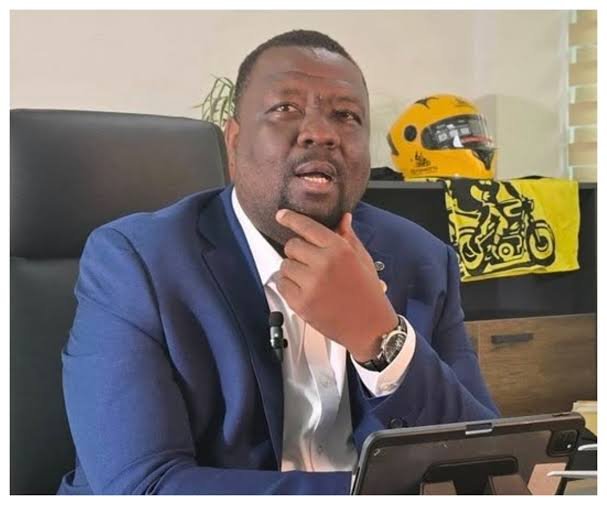
The Chief Executive Officer of the Driver and Vehicle Licensing Authority (DVLA), Julius Neequaye Kotey, says he faced threats and an alleged GH¢4 million bribery attempt after pushing reforms to Ghana’s vehicle number plate system.
Kotey said the pressure began after he initiated plans to introduce modern number plates with scannable features designed to give authorities instant access to vehicle information.
Speaking in an interview with Starr FM, the DVLA CEO alleged that individuals linked to what he described as a cartel approached him with GH¢4 million in an attempt to get him to abandon the proposed changes.
He said he rejected the offer and remained committed to the reforms, citing the responsibility that came with his appointment and President John Dramani Mahama’s stated confidence in young people occupying public positions.
“I was offered GH¢4 million by a cartel to stop changes to the DVLA number plate system. I rejected it because of the trust the President has placed in me,” he stated.
According to Kotey, the pressure escalated into threats from individuals opposed to the reforms, prompting police involvement to enhance his security.
He said evidence relating to both the alleged threats and bribery attempt was subsequently submitted to the Office of the Special Prosecutor for consideration.
The DVLA boss further disclosed that he knew some of the individuals allegedly connected to the cartel, although one person he believed played a role in facilitating the approach had since died.
Despite the alleged pressure, Kotey said he remained determined to see the number plate reforms through, arguing that the changes are intended to modernise vehicle identification and improve access to vehicle-related information.
“I can’t disappoint my President. The President said he believes in the youth, and we can make him proud. That has been my motivation,” he said.
The proposed scannable number plates form part of efforts by the DVLA to modernise Ghana’s vehicle registration and identification system, with the technology expected to make it easier for authorised authorities to retrieve vehicle information.
LIVE | I was offered GH¢4 million by a cartel to stop changes to the DVLA number plate system. I rejected it because of the trust the President has placed in me.” pic.twitter.com/DdWSdAc5Nv
— DEK360Ghana🇬🇭 (@Dek360Ghana) September 18, 2026