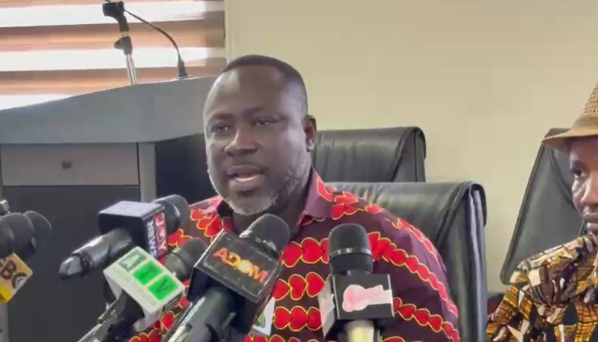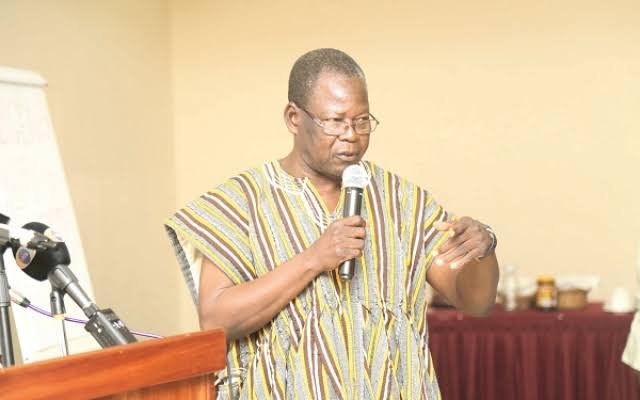
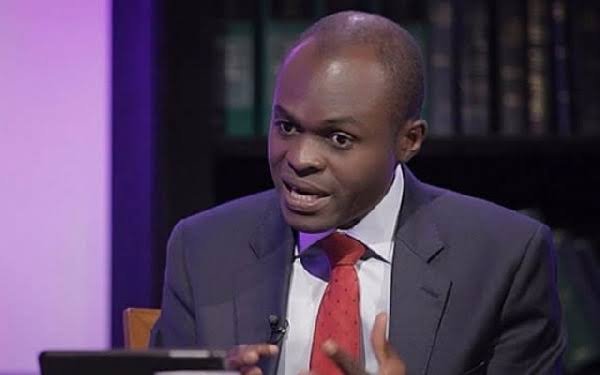
Private legal practitioner Martin Kpebu has criticised the arrest of individuals over comments deemed insulting to President John Dramani Mahama or government officials, arguing that such actions could undermine Ghana’s democratic culture.
Mr Kpebu acknowledged that insulting public officials was inappropriate but maintained that arresting people over their utterances was not the proper response.
Speaking on The Key Points on TV3 on Saturday, August 8, 2026, he argued that the government could not arrest every citizen who made offensive or critical remarks.
According to him, the growing number of arrests linked to political statements under the Mahama administration was becoming a worrying trend and could create a negative record for the government.
He claimed that more people had been arrested over their utterances during President Mahama’s first year and a half in office than during the entire eight-year tenure of former President Nana Addo Dankwa Akufo-Addo.
“It is a bad record for John Mahama for eight years; the number of people Akufo-Addo arrested is not up to the number John Mahama has arrested in one and a half years,” he said.
Mr Kpebu argued that Ghanaian democracy must allow citizens to criticise and even make harsh remarks about political leaders without automatically facing arrest.
He cited instances from the previous administration to illustrate his point, noting that critics openly described former President Akufo-Addo in derogatory terms without necessarily being arrested.
“We said Akufo-Addo was ‘mampam’, did he arrest me? Nana Yaa called Akufo-Addo Nebuchadnezzar; was he arrested? Allow Ghanaians to talk,” he said.
He also referred to former President Jerry John Rawlings’ criticism of then-President John Agyekum Kufuor as an example of the political rhetoric that has historically existed in Ghana.
According to Mr Kpebu, criminalising every offensive political statement could ultimately result in the state attempting to silence a large section of society.
“As for the insult, there is nothing you can do; it’s part of the accountability thing. Jerry Rawlings called Kufuor, a sitting president, a thief. Did Kufuor arrest JJ? You can’t shut people down by arrests,” he argued.
He called for a broader national conversation on how authorities should respond to offensive public statements, suggesting alternatives such as fines or public condemnation instead of arrests.
His comments come amid heightened political tensions following the New Patriotic Party’s (NPP) “Democracy Under Attack” demonstration, which focused on concerns over alleged selective justice and the treatment of opposition figures.
NPP raises concerns over selective justice
Minority Leader in Parliament Alexander Afenyo-Markin, speaking at the demonstration on Thursday, August 6, said the NPP’s concerns were not about preventing the government from pursuing accountability.
Rather, he said, the party was demanding fairness and consistency in the application of justice.
“We are not against accountability, but we are against selective justice,” Afenyo-Markin stated.
One of the issues highlighted by the NPP was the acquittal and discharge of former Chief Executive Officer of the Microfinance and Small Loans Centre (MASLOC), Sedina Tamakloe Attionu.
The party has argued that the decision raises concerns about whether justice is being applied consistently and impartially.
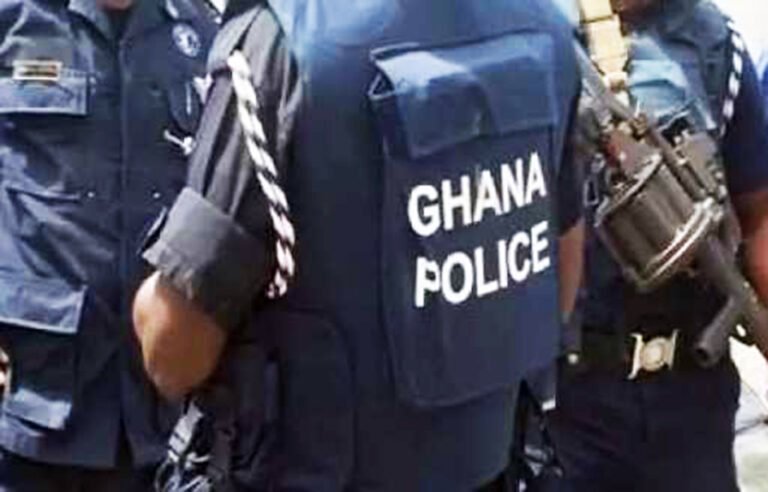
The NPP also accused state investigative and security agencies of subjecting some of its members to arbitrary arrests, prolonged detention and harassment.
According to the opposition party, such actions are politically motivated and intended to intimidate its members.
The competing positions have intensified debate over the balance between holding public officials and citizens accountable for their conduct and protecting freedom of expression in Ghana’s democratic system.