Ghana Water Limited (GWL) has dismissed allegations that its officials were threatened or instructed to conceal information on river turbidity and pollution levels.
The allegations emerged in a video circulating on social media, prompting the water utility to issue a clarification on Monday, August 17, 2026.
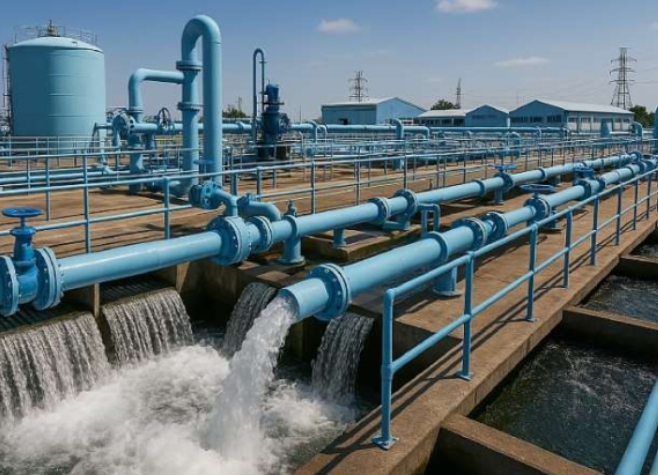
GWL explained that it routinely conducts turbidity tests as part of its water treatment operations and temporarily shuts down treatment plants whenever turbidity levels rise beyond acceptable limits.
The company, however, clarified that it is not the institution responsible for collecting or maintaining official data on natural river bodies.
“GWL does not hold official data on natural river bodies,” the company stated.
According to GWL, the responsibility for monitoring the condition of Ghana’s natural water bodies and maintaining records on turbidity levels lies with the Water Resources Commission (WRC) and the Environmental Protection Agency (EPA).
GWL Denies Journalist’s Visit
The company also rejected a claim made by the journalist featured in the video that he had been denied access to information at its Kwanyako Treatment Plant.
GWL said its official records do not support the claim that the journalist visited the facility.
It further denied allegations that the Presidency had directed the company to suppress or withhold information relating to river turbidity.
“It is therefore totally untrue that the Presidency has directed GWL to withhold river turbidity data,” the company stated.
GWL urged the public to understand the different responsibilities of the institutions involved in monitoring Ghana’s water resources.
The company encouraged the public to distinguish between its role as a water treatment and supply provider and the statutory mandates of the WRC and EPA regarding the monitoring of natural water bodies and environmental pollution.
GWL also advised the public to exercise caution when relying on claims contained in the circulating video, particularly where such claims concern the responsibilities of public institutions and the availability of environmental data.