Parliament on Monday approved three agreements, including the Cross-Border E-Commerce VAT Monitoring and Collection System, despite opposition from the Minority, which voted against the arrangements.
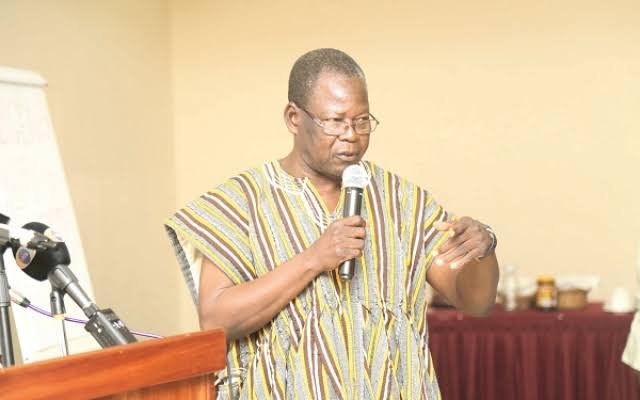
Dr. Gideon Boako, Deputy Ranking Member on the Finance Committee and a leading critic of the government’s economic policies, described the initiative as a form of “social media tax” and expressed concerns about its impact on consumers.
According to him, imposing taxes on digital services in Ghana without considering taxes already paid in other jurisdictions could force users to bear additional costs. He warned that the move could increase charges for platforms such as Netflix and raise the prices of goods purchased from international online marketplaces.
Ghana has been applying VAT on foreign digital services, including streaming platforms such as Netflix, since 2022, with service providers required to register with the Ghana Revenue Authority (GRA). The new framework is expected to expand VAT monitoring and collection across broader cross-border e-commerce activities.
The government has argued that the system will help address revenue losses, particularly as it estimates that about 60 per cent of potential VAT revenue is lost due to weaknesses in collection.
However, the Minority’s concerns also extend to the terms of the agreement, which it described as lacking transparency. The caucus argued that the multi-year arrangement was approved without sufficient details on the cost, contractor involved and implementation timeline.
The Minority said it intends to use the Right to Information Act to demand access to the contracts and related documents covering the agreement.
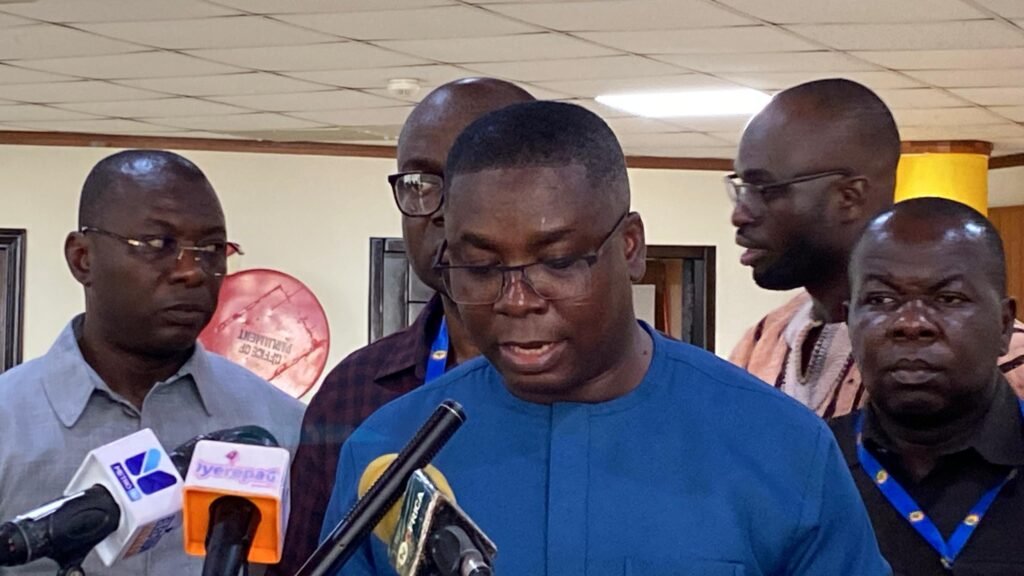
Former Minister of Information and Member of Parliament for Ofoase-Ayirebi, Kojo Oppong Nkrumah, said the caucus would consider legal action if the requested details were not made available.
The Minority maintains that greater transparency is needed to ensure that the system does not impose unnecessary financial burdens on Ghanaians while government seeks to improve domestic revenue mobilisation.