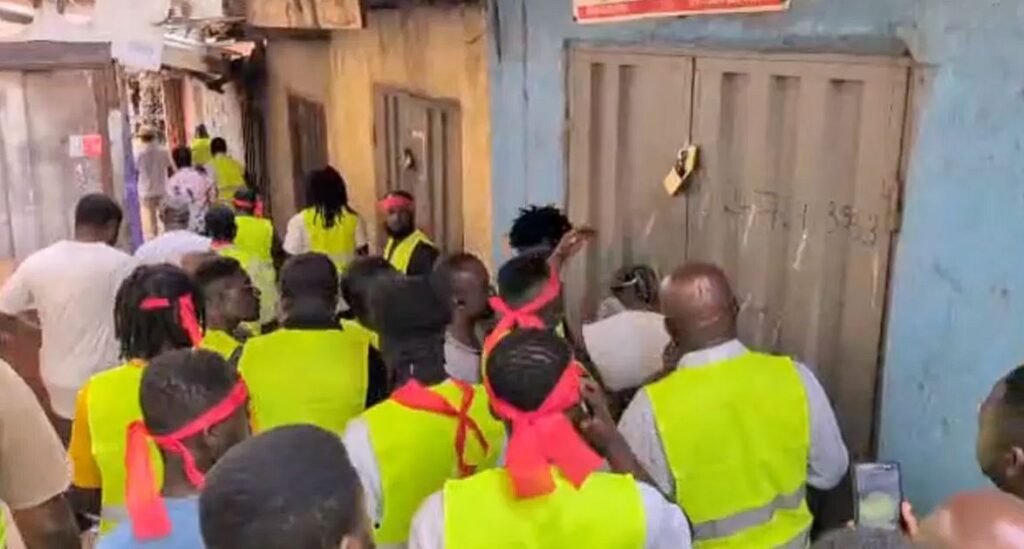
Tension at Suame Magazine as artisans lock shops of foreign spare parts dealers

Related Articles
NRSA warns churches, political parties against defacing road signs
The National Road Safety Authority (NRSA) has cautioned businesses, religious organisations and political parties against using road signs, medians and other road infrastructure as spaces for advertisements, posters…
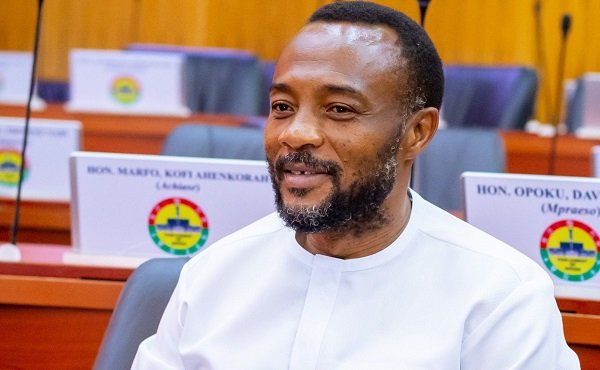
Weija-Gbawe MP calls for 50% Salary donations to support Black Challenge
Weija-Gbawe MP Jerry Ahmed Shaib has urged Members of Parliament, government ministers and chief executives of state institutions to donate 50 per cent of their salaries to support…
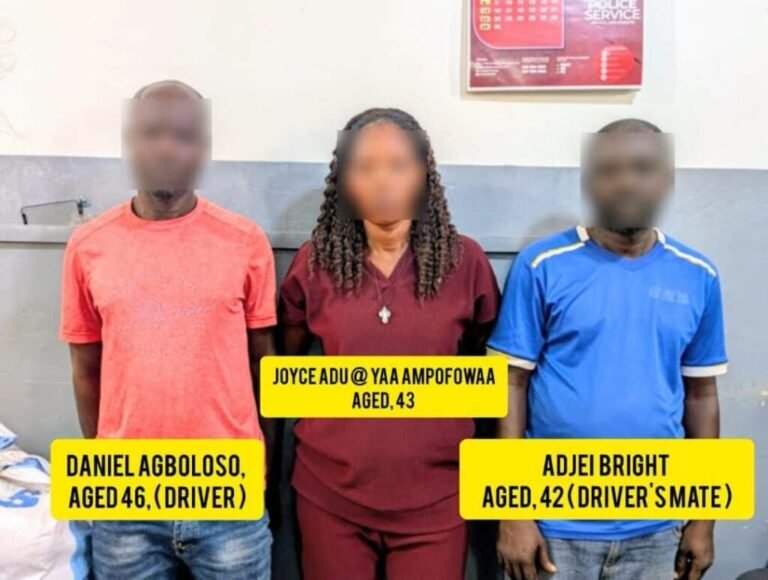
3 arrested in Kumasi after Police discover 79 Parcels of suspected drugs in fertilizer sacks
Police in the Ashanti Region have arrested three people after discovering 79 parcels of suspected narcotic drugs concealed in fertilizer sacks aboard a bus in Kumasi. The arrests…
More from this category
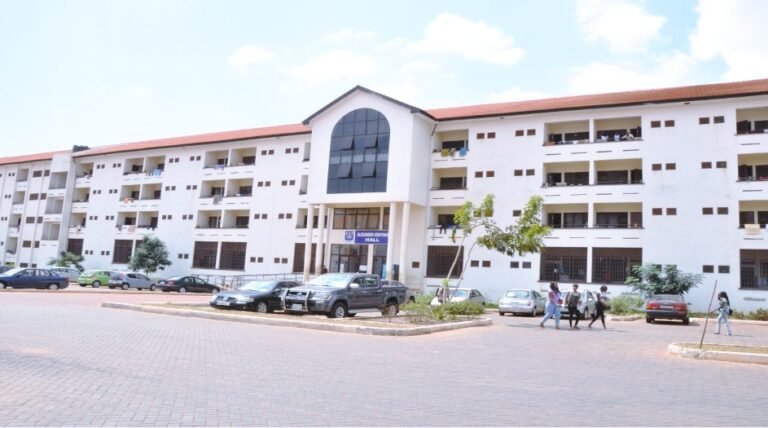
Parliament’s Education Committee engages UG, SRC over hostel fee hikes
Parliament’s Education Committee has engaged the University of Ghana management, the Students’ Representative Council (SRC) and the Rent Control Department over the controversy surrounding hostel accommodation fee increases…
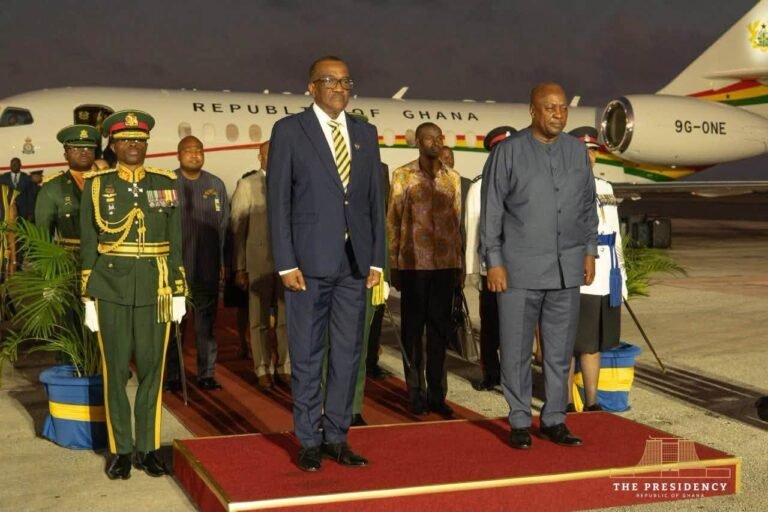
President Mahama Arrives in Barbados for Five-Day State Visit
President John Dramani Mahama has arrived in Barbados for a five-day State Visit aimed at strengthening historical, diplomatic, cultural and economic relations between Ghana and the Caribbean nation.…
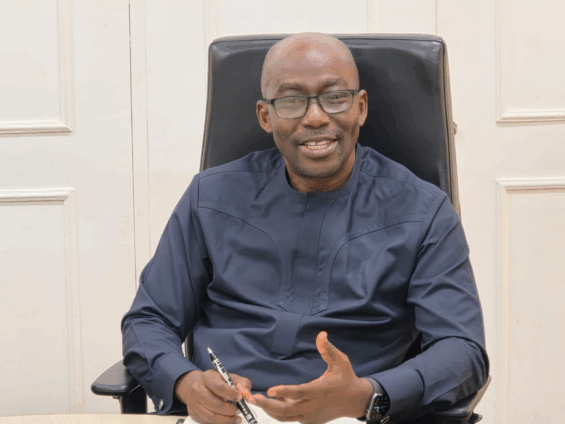
President Mahama reshuffles GNPC leadership
President John Dramani Mahama has reassigned Kwame Ntow Amoah, Chief Executive Officer of the Ghana National Petroleum Corporation (GNPC), to the Ministry of Energy with immediate effect. The…
Latest stories
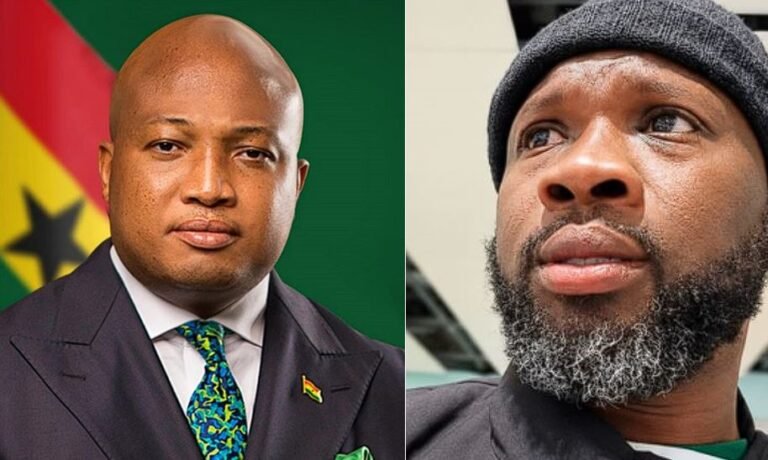
My confrontation with Ablakwa is only the beginning of our demand for accountability – NPP’s Kamal Gumah
A member of the opposition New Patriotic Party (NPP), Prince-Kamal Gumah, has confirmed that he was the person who confronted Foreign Affairs Minister Samuel Okudzeto Ablakwa, saying he…
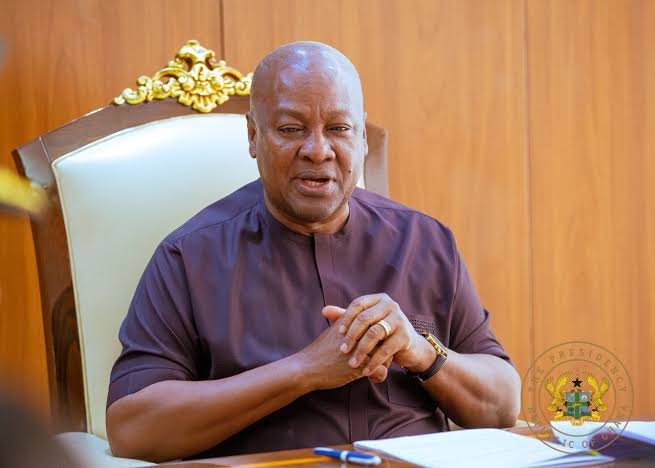
President Mahama embarks on five-day state visit to Barbados
President John Dramani Mahama is undertaking a five-day State Visit to Barbados from November 26 to 30, 2026, as part of efforts to strengthen diplomatic, cultural and economic…
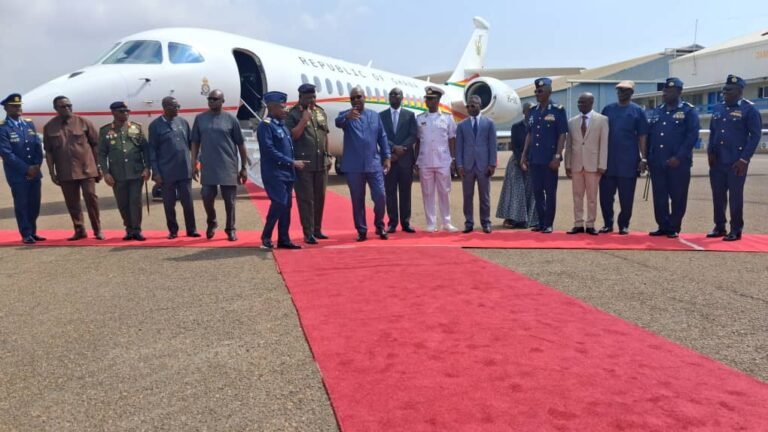
Mahama announces acquisition of two more Airbus helicopters for Armed Forces
President John Dramani Mahama has announced plans by the government to acquire two additional Airbus helicopters and a fleet of vehicles next year to strengthen the operational capacity…