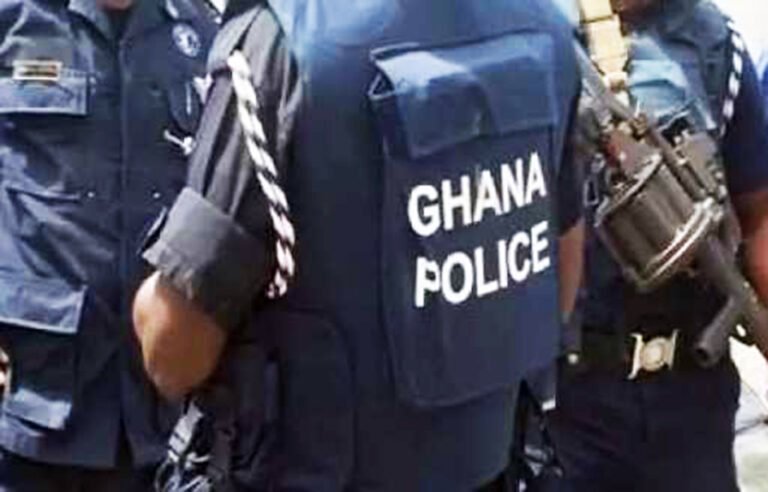
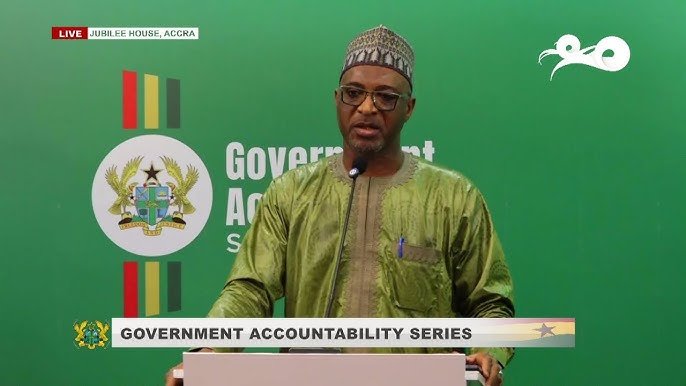
The government has commenced training for the first batch of 10,000 recruits selected in the latest security services recruitment exercise, Interior Minister Muntaka Mohammed-Mubarak has announced.
He said the recruits are currently undergoing training for the Ghana Police Service, Ghana National Fire Service, Ghana Prisons Service and Ghana Immigration Service (GIS).
Speaking at the Government Accountability Series in Accra on Monday, August 24, the Minister said a second batch of 10,000 successful applicants would be trained next year.
According to him, the additional recruits will be selected from the existing pool of applicants who successfully completed the recruitment process.
“The first 10,000 successful applicants to the Police, Fire, Prisons, and Immigration Services are currently in training. Another 10,000 are set for training next year to be drawn from the current pool of successful applicants,” he said.
About 1,300 applicants tested HIV-positive
The Minister also previously disclosed that approximately 1,300 applicants tested positive for HIV during mandatory medical screening conducted as part of the recruitment exercise.
He made the disclosure when he appeared before Parliament’s Assurances Committee on Monday, July 6, 2026.
Mr Muntaka explained that medical screening was a standard requirement aimed at assessing the health and fitness of prospective recruits before their enlistment into the various security agencies.
He said applicants who were disqualified on medical grounds were not automatically informed of specific medical conditions detected during the screening, particularly in sensitive cases such as HIV.
He explained that such information required appropriate counselling to avoid causing unnecessary emotional distress.
“In the recent recruitment, we have about 1,300 or so that were on HIV, and they said, can you imagine sending somebody the results that you have HIV? I mean, that’s not the procedure. The person has to go through some orientation,” he said.
Disqualified applicants offered further assistance
The Interior Minister said applicants who did not meet the medical requirements were instead given contact details through which they could seek clarification on their disqualification.
He noted that those who wanted further information could contact the designated authorities and receive assistance in understanding the reasons for the decision.
“One of the things we did was that when you get disqualified, you are given a contact to reach out to,” he explained.
Mr Muntaka further indicated that some of the medical conditions identified during the screening were treatable.
He therefore encouraged affected applicants to seek appropriate medical attention, noting that addressing such conditions could improve their chances of participating in future recruitment exercises.
“Interestingly, some of the things that we realise are treatable, so people need to know and then also get treatment so that in subsequent recruitments they could join,” he added.