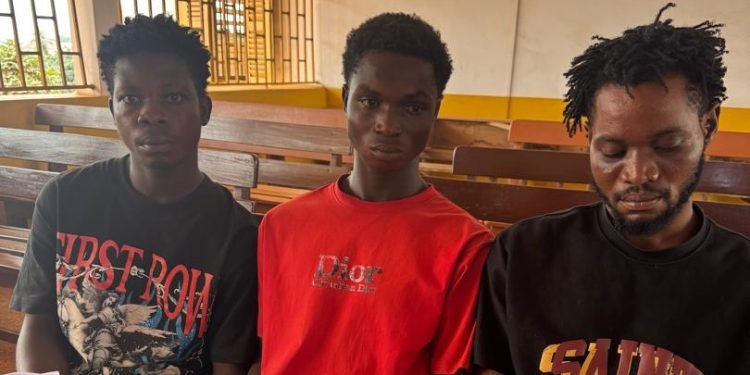
The Minority Caucus in Parliament has vowed to challenge the conviction and 20-year prison sentence handed to New Patriotic Party (NPP) Ashanti Regional Chairman Bernard Antwi-Boasiako, popularly known as Chairman Wontumi, describing the verdict as unfair and legally flawed.
The caucus believes the trial was tainted by constitutional breaches and procedural shortcomings and says it will pursue all legal remedies to overturn the High Court’s decision.
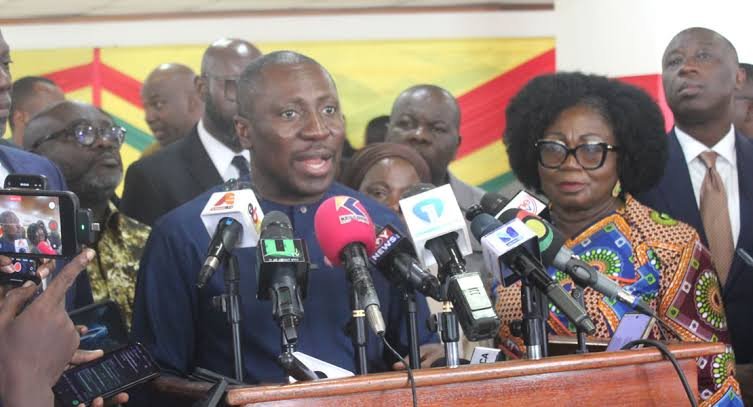
In a statement issued on Monday, July 20, and signed by Minority Leader Osahen Alexander Kwamena Afenyo-Markin, the Minority argued that the prosecution and trial process reflected selective justice and failed to uphold due process.
Chairman Wontumi and Akonta Mining Limited were convicted by Justice Audrey Kocuvie-Tay on two counts each under the Minerals and Mining Act, 2006 (Act 703), as amended. Wontumi was subsequently sentenced to 20 years’ imprisonment, while the company was also found guilty.
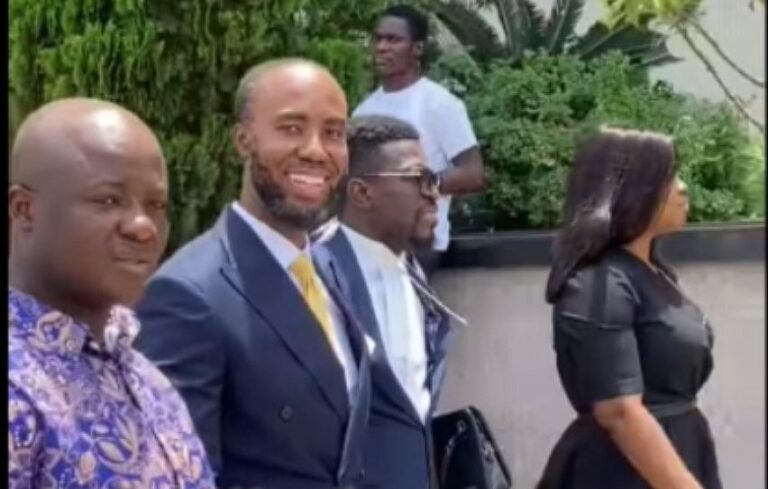
According to the Minority, the court should have postponed the delivery of its judgment because Wontumi’s lead counsel had officially informed the court that he would be outside the country on an earlier professional engagement.
The caucus maintained that proceeding with the judgment in the lawyer’s absence violated Article 19(2)(g) of the 1992 Constitution, which guarantees every accused person the right to legal representation of their choice.
To support its argument, the Minority cited the case of former Ghana National Petroleum Corporation (GNPC) Chief Executive Tsatsu Tsikata, whose conviction was overturned by the Court of Appeal in 2016 over fair trial concerns.
It insisted that constitutional protections must be applied equally to all citizens, regardless of their political affiliation.
The statement said, “If the right to counsel of choice mattered in 2003, it matters in 2026, and it matters exactly as much when the accused sits on the other side of the political aisle.”
The caucus also faulted the High Court for refusing to refer constitutional questions surrounding Section 99(2)(b) of the Minerals and Mining Act to the Supreme Court under Article 130 of the Constitution.
It argued that the Supreme Court’s decision in Republic v. The High Court, General Jurisdiction 6, Accra; Ex Parte Dr. Zanetor A. Rawlings (2016) indicates that the High Court should have referred the constitutional issues to the apex court instead of determining them itself.
The Minority further criticised the court’s decision to lift the corporate veil of Akonta Mining Limited and hold Chairman Wontumi personally liable, describing the move as an extraordinary legal measure that deserves appellate review.
While reiterating its support for efforts to eliminate illegal mining, the caucus accused the government of enforcing the law selectively.
It questioned why investigations reportedly initiated by the Attorney-General on July 15, 2025, into alleged illegal mining involving NDC National Organiser Joseph Yamin and National Vice Chairman Yakubu Abanga have not led to any prosecutions.
The statement also referenced the alleged takeover of a licensed mining concession at Apinto by foreign nationals, arguing that no comparable legal action has been taken despite the seriousness of the claims.
The Minority has therefore urged the Office of the Attorney-General to publish a comprehensive list of illegal mining prosecutions to prove that the law is being applied impartially.
It also called on Chairman Wontumi’s legal team to pursue an appeal and any other available legal remedies, including an application for certiorari, while assuring NPP supporters that it would continue to contest the conviction through the courts.