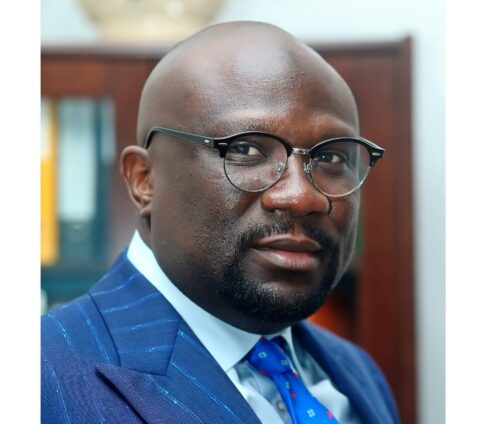
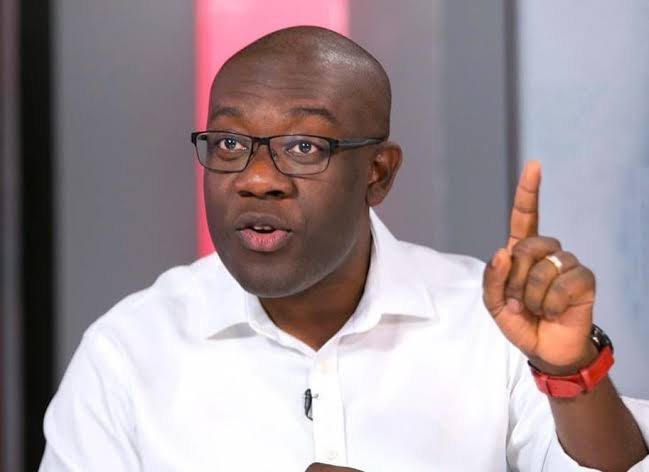
Ranking Member of Parliament’s Economy and Development Committee, Kojo Oppong Nkrumah, has called for a comprehensive assessment of the government’s performance based on the economic targets and projects it promised Ghanaians, rather than a few achievements it continues to highlight.
The Ofoase/Ayirebi MP argued that the government had made several commitments in its 2025 and 2026 economic programmes but had since shifted attention to only a handful of initiatives.
“There are only about three games in town. Everything else that they listed, literally they have abandoned it,” he said.
Speaking on Citi FM’s Eyewitness News on Monday, August 10, 2026, Mr Oppong Nkrumah said government must be held accountable for the full range of commitments contained in its economic programmes.
He argued that comparing actual outcomes with the targets set by government would provide a more objective assessment of its performance.
The former Information Minister cited healthcare as one area where he believes government commitments remain largely unfulfilled.
“You were here when they said we were going to build 600 CHPS compounds in the first year, and now they said they were going to do about 35 Agenda 111s,” he said.
He also questioned the progress of government’s plans for sports infrastructure, particularly its commitment to construct new stadia.
“In sports, they said we’re going to build about seven stadia in, I think, the first or second year,” he noted.
According to Mr Oppong Nkrumah, the concerns extend beyond individual projects and point to what he described as a broader failure to follow through on several headline commitments made at the beginning of the administration.
“The major outcomes that they listed, they’ve literally abandoned all of them,” he said.
He attributed part of the challenge to what he described as inadequate revenue growth relative to the size of the economy and the government’s spending ambitions.
The NPP lawmaker argued that constrained fiscal space may have limited the government’s ability to implement the wide range of programmes it initially promised, resulting in greater emphasis on a few initiatives that can be presented as evidence of progress.
“We have a theory of why they have abandoned all of those and are just clinging onto about two or three things as evidence that their government is performing,” he said.
Mr Oppong Nkrumah said the assessment of government performance should therefore be based on concrete evidence rather than political claims.
He called for greater scrutiny of budgetary allocations, implementation levels and measurable results to determine whether the administration is delivering on the commitments it made to the electorate.
He maintained that such a scorecard would help Ghanaians determine which promises have been fulfilled, which remain outstanding and whether public resources allocated to the various programmes have produced the intended results.