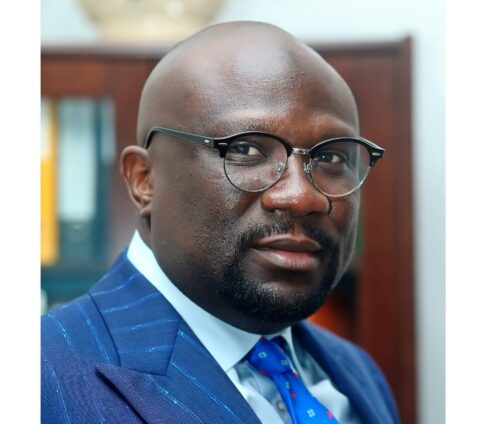
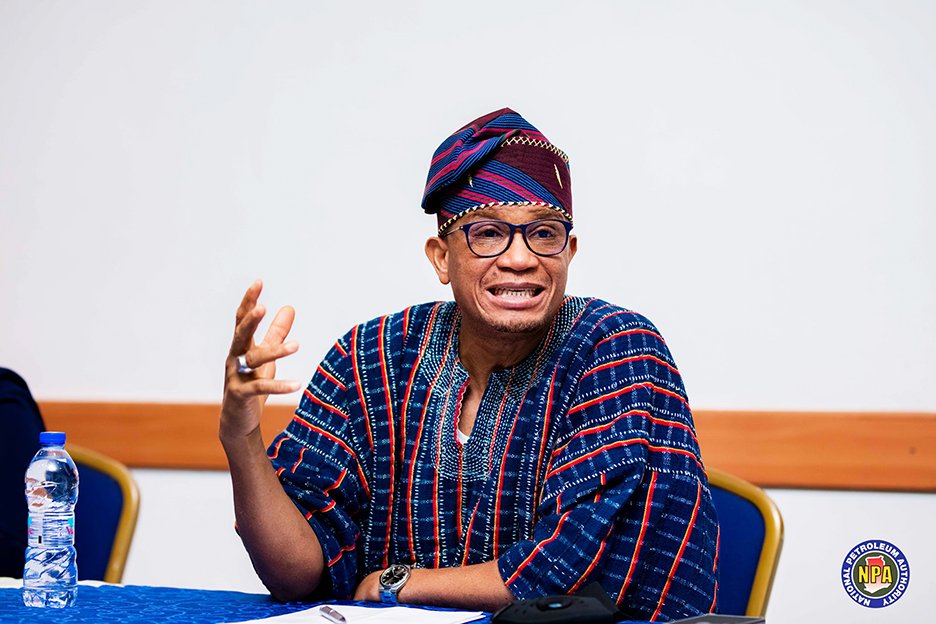
Religious scholar and New Patriotic Party (NPP) First National Vice Chairman aspirant, Dr Mustapha Abdul-Hamid, has cited the outcome of the 2024 presidential election as evidence that religion does not determine political choices in Ghana.
According to him, the strong support for President John Dramani Mahama in several Muslim-dominated constituencies despite Dr Mahamudu Bawumia being the NPP’s presidential candidate demonstrates the depth of Ghana’s religious tolerance.
Dr Abdul-Hamid made the remarks while delivering the 2026 Liberty Lecture organised by the Danquah Institute in Accra on the theme: “One Nation, Many Faiths: Emerging Threats to Religious Tolerance in Ghana.”
He argued that claims suggesting Dr Bawumia’s presidential ambitions are part of an agenda to turn Ghana into an Islamic state were not supported by the voting patterns recorded in the 2024 election.
He noted that if Muslims were seeking to use political power to Islamise Ghana, Dr Bawumia’s candidature would have presented a clear opportunity for such an agenda to gain momentum.
“If such an agenda existed, Mr Chairman, the candidacy of Mahamudu Bawumia would have been the catalyst and his candidature would have been the opportunity for Muslims to rally around such an agenda, but they didn’t,” he said.
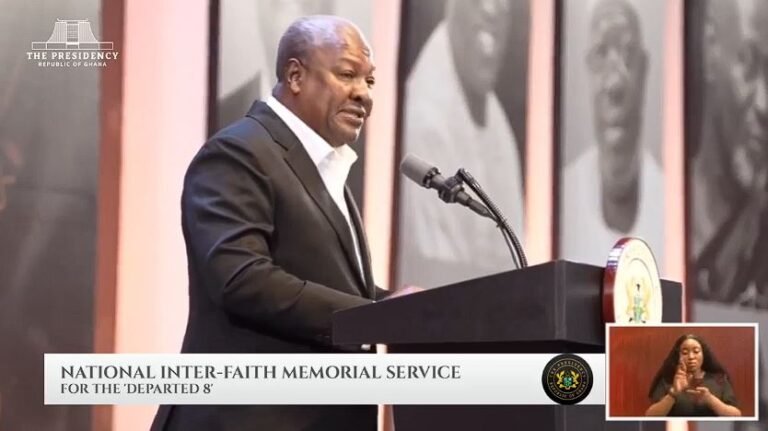
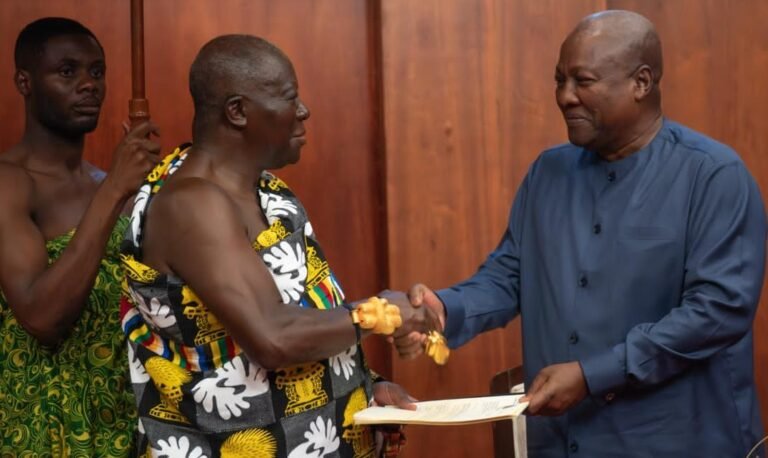
Dr Abdul-Hamid pointed to constituencies including Ayawaso East, Ayawaso North, Asawasi, Ejura, Tamale North, Tamale Central, Tamale South and Sagnarigu, which he said largely backed President Mahama, a Christian, over Dr Bawumia.
He said the results showed that religious identity does not automatically translate into political allegiance among Ghanaian voters.
“Consciously, in the Ghanaian psyche, our religious differences do not spill over into our political consideration,” he said.
Dr Abdul-Hamid further argued that Dr Bawumia’s political ambitions should be viewed within the context of his policy priorities, particularly economics and national development, rather than through a religious lens.
“Mahamudu Bawumia is seeking the presidency of Ghana not to reorder the religious destiny of our country,” he said.
He also dismissed concerns over the proposed introduction of Arabic as an optional subject at the basic-school level, arguing that the language should not be equated with Islam.
“Arabic is a language separate and distinct from Islam,” he said, adding that knowledge of Arabic could open opportunities in diplomacy, international commerce, education and investment.
On interest-free banking, Dr Abdul-Hamid said its introduction would provide Ghanaians with additional financial options rather than impose Islamic practices on the population.
“The European experience demonstrates that Islamic banking is not about Islamizing a country. It is about widening financial options,” he said.
As Ghana approaches the 2028 general election, Dr Abdul-Hamid urged political actors and voters to avoid exploiting religious differences for political gain.
He said issues such as employment, good governance, security, education, healthcare and efficient public services were more important to voters than attempts to alter the country’s religious identity.
He therefore urged Ghanaians to assess political candidates based on their competence, character and capacity to govern rather than their religious backgrounds.