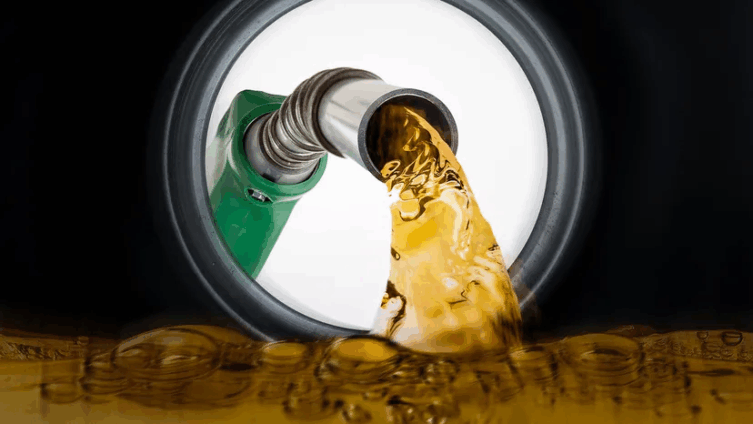
Ghanaian consumers, transport operators and businesses could face continued uncertainty over fuel prices as global oil markets remain vulnerable to fresh supply disruptions, energy sector advocacy group Sustainable Energy and Mines Projects Advocacy (SEMPA Africa) has warned.
The group has raised concerns over the sharp decline in the United States Strategic Petroleum Reserve, arguing that the reduction has weakened one of the world’s major emergency buffers against disruptions in crude oil supplies.
Although Ghana does not obtain petroleum products directly from the US reserve, SEMPA Africa said developments affecting the stockpile could influence international crude and refined petroleum prices, which in turn have a direct bearing on fuel prices in Ghana.
In a statement issued on August 24, the organisation explained that any increase in the risk premium attached to international oil prices could quickly be reflected at Ghanaian fuel stations because domestic petroleum prices are largely influenced by global market benchmarks.
SEMPA Africa said Ghana’s dependence on imported petroleum products makes the country particularly vulnerable to fluctuations in international oil prices.
The group cited recent industry estimates indicating that roughly 70 percent of petroleum products consumed in Ghana are imported, meaning changes in global prices can have a relatively quick impact on local consumers.
US oil reserve falls to decades-low level
According to data from the US Energy Information Administration, the Strategic Petroleum Reserve contained approximately 293 million barrels of crude oil in the week ending August 14, 2026.
SEMPA Africa said the figure represents about 41 percent of the reserve’s authorised 714-million-barrel capacity and is the lowest level recorded since December 1982.
The organisation attributed much of the decline to the release of 172 million barrels in March following disruptions linked to Iran’s move to restrict tanker traffic through the Strait of Hormuz, a major route for global oil shipments.
The release was part of a broader response coordinated by the International Energy Agency among its member countries to cushion the impact of the disruption on global oil supplies.
Ghana urged to strengthen preparedness
SEMPA Africa clarified that the depleted US reserve does not necessarily mean Ghana will immediately experience a sharp increase in fuel prices.
However, it warned that the reduced emergency capacity leaves the global oil market with less room to absorb another major supply shock without significant price consequences.
The group therefore urged motorists, businesses and transport operators to prepare for possible fluctuations in petroleum prices.
It also called on the government to treat the development as a warning and strengthen Ghana’s ability to withstand external oil market shocks.
Among the measures proposed are maintaining stability in the cedi, pursuing fiscal discipline, expanding domestic petroleum refining capacity and building stronger strategic fuel reserves.
SEMPA Africa stressed that while Ghana has no control over the size of the US Strategic Petroleum Reserve, the country can improve its own preparedness by strengthening its fuel supply and pricing systems.
The organisation said developments in major global oil markets can eventually affect fuel prices in Ghana, making it important for policymakers to anticipate potential shocks rather than respond only after they occur.