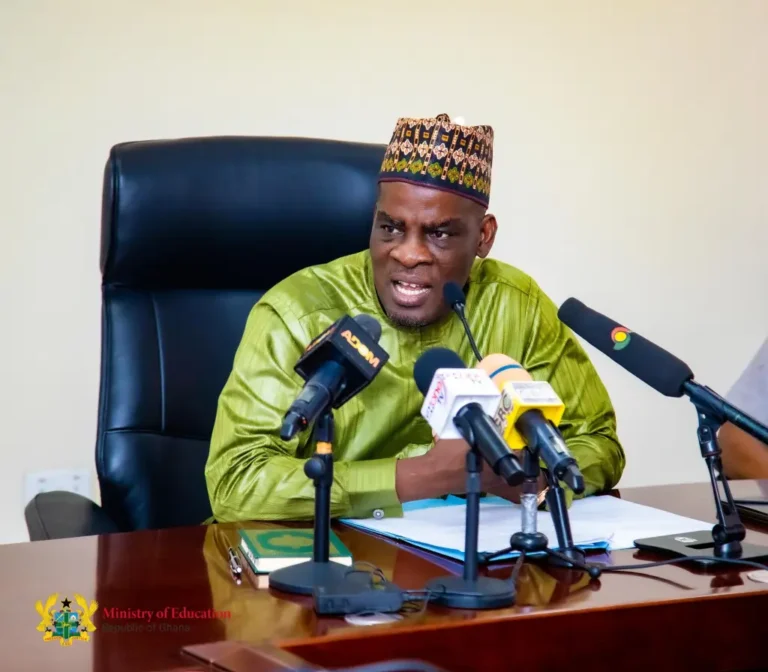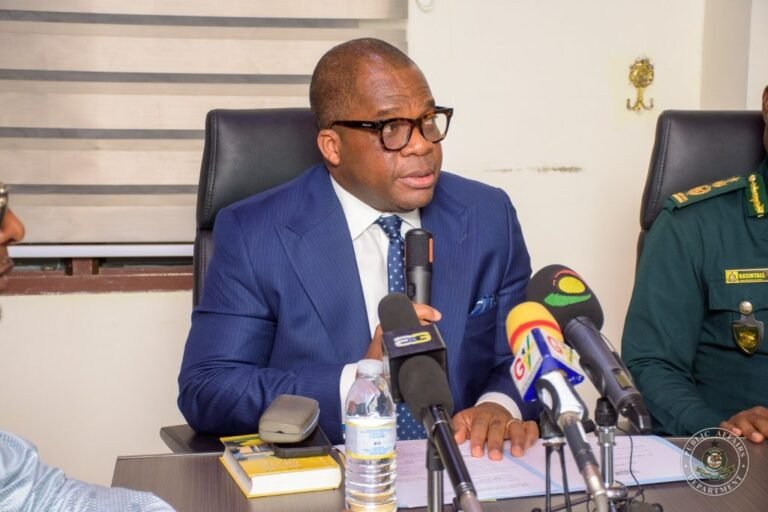
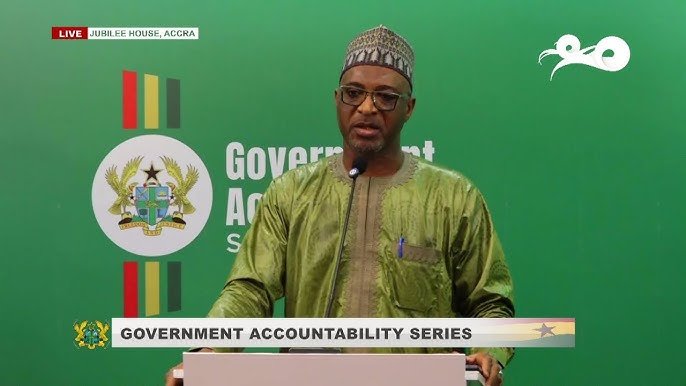
The government is considering introducing mandatory drug testing as part of the requirements for entry into Ghana’s public service, Interior Minister Mohammed Mubarak Muntaka has disclosed.
The proposal, which is expected to be submitted to Cabinet through an Information Paper, is aimed at preventing individuals with active drug-related problems from being recruited into public institutions.
Mr Muntaka said the decision was prompted in part by disturbing findings from the latest security services recruitment exercise, where thousands of applicants were disqualified after undergoing drug and mental health screening.
Speaking at the commissioning of a newly constructed six-unit first-floor classroom block at Sakafiya Islamic Senior High School, the Asawase MP said more than 100,000 people took part in the recruitment exercise.
He said the screening revealed that more than 4,000 applicants had tested positive for various drugs, while about 2,000 others were disqualified after mental health assessments.
“Very soon, the Ministry of the Interior will be taking an Information Paper to Cabinet, and one of the things that we are going to do is to ensure that nobody gets into public service until we do a drug test on you,” he said.
According to the Minister, the scale of drug use uncovered during the recruitment process raises serious questions about the extent of substance abuse among young people.
He argued that without the additional screening, some applicants who were already abusing drugs could have been admitted into the security services and entrusted with sensitive responsibilities.
Mr Muntaka said the problem also extends beyond prospective recruits, revealing that some serving security personnel are currently dealing with drug-related challenges.
“Some of the officers that we have in the service, some already are into drugs. And we are taking steps to help them to get out of it,” he said.
He stressed that government would combine preventive measures with support for personnel already struggling with substance abuse, rather than simply excluding affected individuals.
The Interior Minister also expressed concern over the increasing exposure of students to drugs, particularly within senior high schools.
He alleged that some students were selling substances such as tramadol to their colleagues and urged school authorities to strengthen monitoring and supervision to prevent drug-related activities on campuses.
Mr Muntaka further cautioned students against claims that substances such as tramadol and Indian hemp can improve academic performance.
“Drugs destroy you forever,” he warned, urging students not to sacrifice their health and future in pursuit of academic success or as a response to social and financial difficulties.
He encouraged students facing challenges to remain focused on their education and assured them that difficult circumstances should not determine their future.
“Your future is way ahead of you. Your future is much brighter ahead of you,” he told the students.