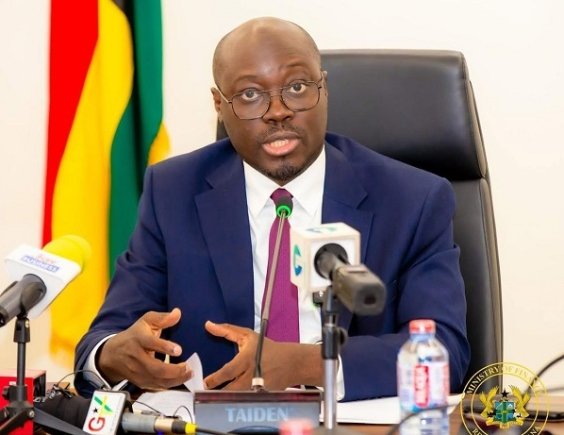
Finance Minister Dr Cassiel Ato Forson says the government’s ongoing tax reforms could generate substantial revenue increases and create the opportunity for a reduction in tax rates by the end of 2027.
According to him, the reforms are designed to improve tax collection, expand the number of people and businesses contributing to the tax system, and ensure that all eligible taxpayers fulfil their obligations to support national development.
Speaking on the Citi Breakfast Show on Friday, July 24, a day after presenting the 2026 Mid-Year Budget Review to Parliament, Dr Forson said the government is determined to continue with the reforms despite possible opposition from some sections of society.
He explained that the 2026 Budget introduced several measures, some of which have already been implemented, while additional interventions will be rolled out in the next phase of the programme.
“It is difficult to fight too many wars at the same time. The 2026 budget introduced a number of reforms. We have implemented some in the first half of the year and we are moving to the second phase of implementation,” he said.
The Finance Minister noted that the next stage of the reforms will focus mainly on widening the tax base and strengthening compliance, especially among businesses that currently fail to meet their tax responsibilities.
He raised concerns about weaknesses in the Value Added Tax (VAT) system, accusing some businesses of collecting VAT from customers but failing to transfer the money to government.
Dr Forson described such operators as acting like “mini GRA offices” because they collect taxes on behalf of the state but retain the funds.
He said the introduction of electronic point-of-sale (POS) devices forms part of measures to address revenue losses and improve transparency in VAT collection.
“The VAT gap is about 60%. There are many GRA offices around this country — individuals standing themselves as tax authorities. They collect the tax and pocket it instead of giving the money to the state. I call them mini GRAs,” he stated.
Dr Forson projected that the new measures could increase VAT revenue by between 30% and 60% within one year, creating additional fiscal space for government to consider reducing tax burdens.
He stressed that the government’s priority is to first improve revenue mobilisation and ensure compliance before reviewing existing tax rates.
“I strongly believe that by the end of next year, those reforms we have put in place will yield results to the extent that government will begin to lower the tax rates,” he added.